Residential Electrician Upgrades for Better Electrical Capacity

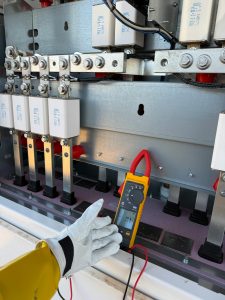

A house can feel perfectly adequate electrically, right up until it does not. The shift often happens gradually. A family adds a second refrigerator in the garage, installs a heat pump, buys an electric vehicle, finishes the basement, and swaps a gas range for induction. None of those decisions seems extreme on its own. Together, they can push an older electrical system past the point where it performs comfortably.
That is when capacity stops being an abstract term and becomes a daily annoyance, or a safety concern. Lights dim when the microwave starts. Breakers trip during summer afternoons. A panel is so full that every new project requires creative workarounds. In older homes, the issue can be more basic: the service was sized for a different era entirely, when central air was less common and personal electronics hardly mattered.
A skilled Residential Electrician sees these patterns all the time. Better electrical capacity is not just about getting “more power” in a vague sense. It is about matching the home’s infrastructure to the way people actually live now, while leaving enough headroom for the next decade of changes. Done well, upgrades improve reliability, convenience, and safety. Done poorly, they solve one bottleneck while leaving three others untouched.
What “better electrical capacity” really means
Homeowners often use the phrase to mean several different things. Sometimes they mean the utility service is too small, such as a 100-amp service trying to support heavy modern loads. Sometimes they mean the https://remingtonqrgl480.wpsuo.com/why-hiring-a-local-residential-electrician-makes-a-difference panel has no physical room for new breakers. Sometimes the branch circuits are overloaded, even though the service itself might still be adequate. And sometimes the issue is voltage drop, aging equipment, or a subpanel that was added years ago with compromises.
Those distinctions matter, because the right upgrade depends on where the real limitation sits.
A 100-amp service can still work acceptably in some smaller homes with gas heat, gas water heating, and modest appliance demand. The same 100-amp service may be plainly inadequate in an all-electric house with air conditioning, electric resistance backup heat, an EV charger, and a hot tub. Capacity is not judged by a single number alone. It is judged by load profile, demand diversity, future plans, and the condition of existing equipment.
I have seen homes where the owner was convinced they needed a full 200-amp service upgrade, only to find that the immediate problem was a crowded, obsolete panel with poor breaker availability. I have also seen the opposite. Someone wanted “just a few more circuits,” but their future plans included a 60-amp EV charger, an electric dryer relocation, and a workshop with large tools. In that case, squeezing more into an old setup would have been short-sighted.
The signs your home has outgrown its electrical system
Some warning signs are obvious. Others hide in plain sight because people get used to them. A breaker that trips “once in a while” is usually telling you something. So is a panel with tandem breakers installed everywhere they can legally fit, or extension cords pressed into permanent service because there are not enough usable circuits.
In the field, the strongest clues often come from patterns rather than single events. If the kitchen circuit trips when the toaster oven and coffee maker run together, that may point to overloaded small-appliance circuits. If the air conditioner startup pulls lights down throughout the house, that may suggest voltage drop, loose connections, or service limitations. If a renovation contractor keeps saying, “We can make it work,” what that sometimes means is the electrical backbone is already stretched.
Older panels deserve special attention. Some equipment is simply outdated, and certain brands with known reliability concerns should be evaluated carefully. Capacity upgrades are often the moment when hidden deficiencies come to light, such as deteriorated bus bars, overheated terminations, aluminum branch wiring transitions, or grounding and bonding issues that were never corrected properly.
A Residential Electrician who approaches the job correctly will not start by selling the biggest upgrade available. They will start by reading the house honestly.
Service upgrades: when 100 amps is no longer enough
The jump from 100 amps to 200 amps is one of the most common residential upgrades, and for good reason. In many areas, 100-amp service was standard for houses built during periods when electric demand was much lighter. Once major appliances, cooling equipment, and vehicle charging enter the picture, the margin disappears fast.
A service upgrade is bigger than swapping a panel. It often includes the meter socket, service entrance conductors, mast or lateral connection details, grounding electrode system, main disconnecting means, and coordination with the utility. In some jurisdictions, current code requirements can trigger additional work, especially if the existing grounding is incomplete or if service equipment location rules have changed.
This kind of project tends to be worth doing when several conditions line up. The home’s load calculation supports a larger service. The existing panel is old, crowded, or obsolete. The homeowner expects additional electrical demand in the near future. And the local utility can support the increase without unusual complications.
The phrase “load calculation” can sound overly technical, but it is central to responsible design. Not every nameplate load runs at once, and not every appliance contributes the same way to peak demand. Electric ranges, dryers, HVAC equipment, water heaters, and EV chargers all factor differently. A thoughtful calculation avoids both underbuilding and overspending.
One practical point that gets missed: a 200-amp panel installed on a 100-amp service is not the same as a 200-amp service upgrade. Homeowners sometimes hear “new 200-amp panel” and assume the utility capacity increased too. That is not always the case. The overcurrent protection and service conductors determine the service rating, not the sticker size on the panel enclosure.
Panel replacements and expansions
Sometimes the main problem is not total service capacity. It is the panel itself. Panels age. Breakers wear out. Bus connections deteriorate from heat cycles. Available spaces disappear after years of additions, remodels, and circuit splitting. At that point, replacing the panel or adding a subpanel can be the smart move.
Panel replacement makes sense when the existing equipment is unsafe, unreliable, unsupported, or physically undersized for the branch circuits the home needs. A clean new panel also improves organization. That matters more than many people realize. Clear circuit labeling and orderly conductor management save time on every future repair, and they make troubleshooting far more accurate.
A subpanel can be a good answer in the right situation. Detached garages, additions, workshops, and finished basements often benefit from a properly sized feeder and dedicated downstream panel. It keeps branch circuits shorter and makes future changes easier. But a subpanel is not a magic fix for inadequate main service. If the total load already stresses the service, a subpanel only redistributes the problem.
There is also a judgment call around “making room.” Tandem breakers, quad breakers, and panel-specific space-saving devices are legitimate tools when used according to listing and panel design. They are not always bad practice. But when a panel depends on them everywhere just to function, that is usually a sign the system wants a more fundamental upgrade.
The branch circuit side of the story
A house can have a healthy service and still suffer from poor capacity where it actually matters, at the circuit level. Kitchens, laundry rooms, bathrooms, garages, home offices, and entertainment spaces often reveal this first. Modern living concentrates electrical use in specific zones, and many older houses were never wired with that concentration in mind.
Take the kitchen. Two required small-appliance circuits may satisfy minimum rules in some cases, but real-life cooking habits can demand more comfort and flexibility. Add an air fryer, espresso machine, microwave, toaster oven, and refrigerator, and the circuit layout matters a great deal. The issue is not just code compliance. It is how the space performs at 7:00 a.m. On a weekday or during a holiday meal when half the countertop appliances are running.
Laundry rooms tell a similar story. Between washer, dryer, utility sink receptacles, lighting, and sometimes an ironing station or freezer, these spaces can become electrically busy. Garages have changed even more dramatically. What used to be a place for a door opener and a trouble light may now house freezers, battery chargers, tools, and EV equipment.
Adding dedicated circuits often brings more everyday benefit than homeowners expect. So does separating sensitive electronics from motor loads. A home office on a circuit shared with a vacuum cleaner, space heater, or treadmill tends to reveal every weakness in wiring design.
EV charging changes the math quickly
Electric vehicle charging is one of the most important capacity drivers in residential work right now. Even a modest Level 2 charger can represent a substantial continuous load. Once that enters the plan, casual assumptions about spare electrical capacity tend to fall apart.
A homeowner might say, “We only charge overnight,” which is helpful operationally, but the electrical system still has to be designed for the equipment rating and demand assumptions that apply. Load management technologies can help. Some systems can automatically limit EV charging when the house load rises, allowing installation without an immediate service upgrade in certain situations. That option deserves a serious look, especially in homes where a utility upgrade would be expensive or delayed.
Still, not every workaround is equally elegant. If a homeowner expects two EVs within a few years, or also plans electrification of space heating and water heating, then installing the bare minimum today can become tomorrow’s bottleneck. This is where experienced judgment matters. The cheapest quote is often based on the narrowest reading of the present need, not the life cycle of the house.
Electrification upgrades and hidden demand
Many homes are moving away from fossil fuel appliances, either by choice, local policy, or equipment replacement cycles. Electrification can improve efficiency and reduce on-site combustion, but it puts new pressure on electrical infrastructure.
Heat pumps are a good example. They are efficient, but electrical capacity planning must account for compressor loads, air handler loads, and any auxiliary or emergency heat. That backup heat can be a major factor. Likewise, heat pump water heaters, induction ranges, and electric dryers each alter the demand picture. When several of these changes happen within a few years, the cumulative effect is easy to underestimate.
This is one reason a Residential Electrician should be involved early in remodeling or mechanical upgrade discussions. If the electrician only enters the conversation after the HVAC equipment is selected and the kitchen design is final, the homeowner may face unpleasant choices. It is better to plan electrical capacity before cabinetry, appliance placement, and finish work lock the project in.
Safety is part of capacity, not separate from it
People sometimes think of safety upgrades and capacity upgrades as different categories. In practice, they overlap constantly. A system running near its limits, especially one with aging components or poor connections, experiences more heat stress. Heat is the quiet enemy inside electrical equipment. You may not notice it until insulation discolors, breaker terminations loosen, or nuisance tripping becomes chronic.
Grounding and bonding often get corrected during major upgrades, and that work matters. So do AFCI and GFCI protections where required or appropriate. A larger panel with clean terminations, proper torque, updated protection, and accurately sized conductors is not just more convenient. It is typically a more robust and safer system overall.
There is also the matter of avoiding improvised solutions. When outlets are scarce or circuits are overloaded, people adapt with power strips, heaters on extension cords, garage refrigerators on long cords, and a tangle of adapters no electrician likes to see. Better capacity removes the incentive for that kind of risky behavior.
What a good upgrade process looks like
The best electrical upgrades begin with a site-specific evaluation, not a one-size-fits-all package. The electrician should inspect the service equipment, identify conductor sizes and panel condition, review major appliances, discuss renovation plans, and perform a load assessment grounded in local requirements and practical use.
A strong process usually includes:
- Reviewing present loads and future plans, including EV charging, HVAC changes, and additions.
- Inspecting the panel, grounding system, service conductors, and available circuit space.
- Determining whether the bottleneck is service size, panel limitations, branch circuits, or a combination.
- Coordinating utility and permit requirements before pricing is finalized.
- Building in reasonable future capacity so the new work lasts.
That future capacity piece is where experienced electricians earn their keep. If a homeowner is already opening walls, replacing service equipment, or scheduling utility disconnects, it often makes sense to add a bit more infrastructure than the strict minimum. An extra conduit path, a larger feeder, or spare panel spaces can cost relatively little during the project and a lot later.
Costs, trade-offs, and where quotes can mislead
Electrical upgrade pricing varies widely by region and by site conditions. A straightforward panel replacement in an accessible location is a different job from a full service upgrade requiring mast work, meter relocation, stucco repair, trenching, or utility transformer review. Detached structures, finished walls, and older construction details can all move the price.
The trade-offs are not always obvious from the quotes. One contractor may price a service change with limited allowance for grounding corrections or permit coordination. Another may include all of it, plus surge protection and cleaner circuit reorganization. On paper, the higher quote looks expensive. In reality, it may be more complete and less likely to generate change orders.
I have seen projects go sideways because the homeowner compared amperage ratings only. They heard “200 amps” from two contractors and assumed the jobs were equivalent. They were not. One included a full panel replacement, whole-home surge protection, grounding upgrades, and circuit relabeling. The other was closer to a bare-minimum service swap.
Ask what is actually being replaced. Ask whether circuit extensions, damaged breakers, permit fees, utility coordination, patching responsibility, and final labeling are included. Capacity work touches many details, and missing details tend to become expensive details.
When a partial upgrade is the better choice
Not every home needs the largest possible service. There are many cases where selective improvements offer better value. A newer 150-amp service with a well-organized panel may only need a garage subpanel and load-managed EV charging. A compact home with gas heating and hot water may function beautifully after a panel replacement and a few added dedicated circuits.
This is where blanket advice fails. Bigger is not always better if the extra capacity will never be used and the money could solve more urgent problems elsewhere. On the other hand, undersizing an upgrade to save a few thousand dollars can look shortsighted if the homeowner adds electric heat or a second EV three years later.
The right answer sits between fear-based overselling and penny-wise underspecifying. It comes from understanding how the household lives, how the property may change, and what the existing electrical system can realistically support.
Older homes require extra care
Capacity upgrades in older homes tend to uncover surprises. Plaster walls, limited chases, mixed generations of wiring, crowded mechanical spaces, and undocumented past work all complicate planning. Homes from the mid-20th century and earlier often need a more forensic approach. You are not just adding capacity. You are interpreting layers of history.
Sometimes the old wiring itself is the true limiter. Cloth-insulated conductors, brittle insulation, ungrounded receptacle circuits, or amateur splices hidden in junction boxes can shift the scope. That does not always mean a whole-house rewire is necessary, but it does mean upgrade decisions should be made with eyes open.
One practical example comes from finished basements. It is common to find that previous renovations pulled too much from existing upstairs circuits because it was easy at the time. Years later, the basement becomes a media room, office, or bedroom suite, and suddenly nuisance tripping appears. The homeowner thinks they need a bigger panel. What they often need first is to untangle a poor circuit distribution strategy.
Preparing for the next ten years, not just next month
The smartest residential electrical upgrades account for near-future changes. That does not require extravagant spending. It requires honest forecasting. If a family has teenagers who will be driving soon, EV charging may be closer than they think. If a gas furnace is aging out, the next HVAC replacement could change the load profile dramatically. If an unfinished attic or basement may become living space, electrical planning should reflect that.
A Residential Electrician who asks these questions is doing their job properly. Capacity is not static. It evolves with the house and the people in it. A service upgrade, panel replacement, or targeted circuit expansion should be sized and arranged to support that evolution gracefully.
There is a real difference between an electrical system that merely passes inspection and one that feels easy to live with. The better system has room to breathe. Breakers are not packed edge to edge with no reserve. High-demand appliances have proper dedicated circuits. The garage can support actual use. The kitchen works on a busy morning. The homeowner does not need to remember which two things cannot run at the same time.
That kind of performance is the real goal. Better electrical capacity is not about bragging rights over amperage. It is about building a home infrastructure that supports modern life reliably, safely, and without constant compromise. When upgrades are chosen thoughtfully, they stop being just another line item in a renovation budget and start becoming one of the improvements a homeowner notices every single day.
Paxos Electric Company, LLC
255 NJ-15, Wharton, NJ 07885, United States
+1 973-598-8543
FAQ About Residential Electrician
What does a residential electrician do?
A residential electrician installs, inspects, maintains, and repairs electrical systems in homes. Common services include troubleshooting circuits, replacing panels, adding outlets and lighting, and completing electrical work for renovations.
When should I call an electrician for my home?
Call a licensed electrician if you notice repeated breaker trips, flickering lights, buzzing, burning odors, warm outlets, sparks, or unexplained power loss. Urgent warning signs should be addressed promptly.
Can a residential electrician upgrade an electrical panel?
Yes. A qualified electrician can evaluate the existing service, determine whether an upgrade is appropriate, obtain required permits, and install a panel sized for the home and planned electrical loads.
Do I need an electrician to install an EV charger?
A home EV charger often needs a dedicated circuit and a review of panel capacity. A licensed electrician can confirm the manufacturer requirements and complete the installation according to local electrical codes.